Job Happiness OR Dunning-Kruger

My old company (car company with a blue logo with white letters, you know, the squarish one) would hire the best of the best, the flower of American universities and then try and keep them. Starting pay was good, maybe toward top of the median. My job was to keep the best while paying them at the high average out of love of cars and family.

The recruiting process was meant to winnow the Seniors at a major university from 500 screened to maybe 8 hired. THEN we had to keep them. My team usually had some new recruits and some people who were transitioning. Maybe they ended up in the wrong seat on the bus and were looking for a reset? I also found oak trees to help the team along.

A leadership challenge: How to place a new fired-up trooper in an entry level job and then push them through rapid job transitions? I thought it brilliant that I projected my own impatience and emotional career rollercoaster into the Job Happiness Plot
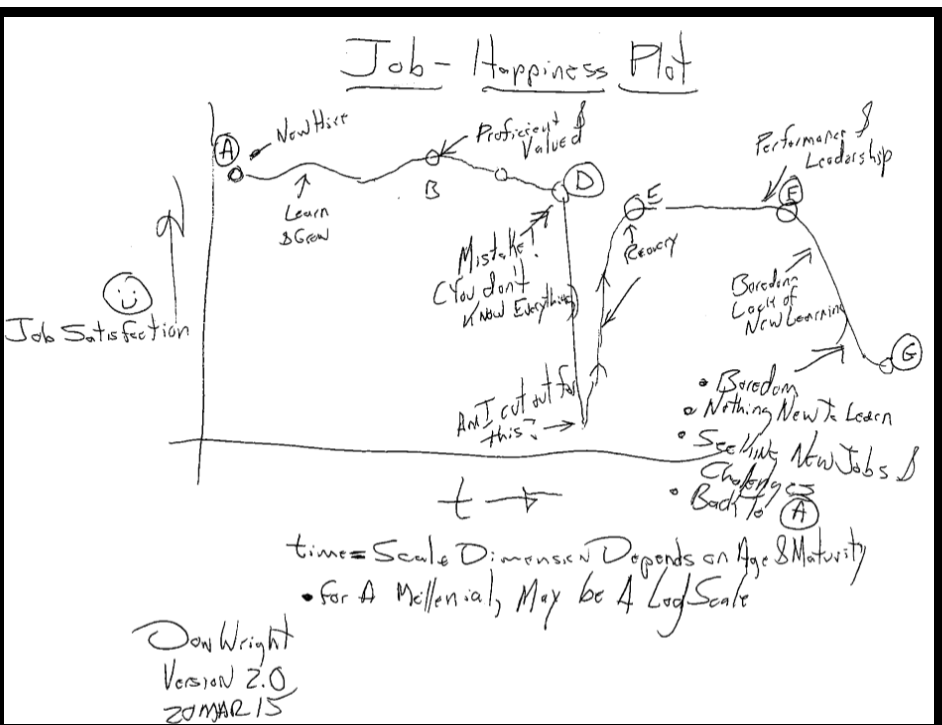
Job Happiness Plot – Happiness vs. Time

You get a new job, you are over the moon to have won the spot over competition. Pretty full of yourself. Next you learn and achieve and feel belonging and accomplishment. There will be a fall due to: Overconfidence? An Honest Mistake? You don’t know everything? All of the above?

Hopefully, you have a boss who expects it and maybe even let you get too far out on your tether so you could have a learning moment (without hurting the mission).

The point of the job happiness curve was to show young people that it’s fair to be happy and excited, but beware of he inevitable fall.

I would point out that the tail of the time-happiness curve contains boredom and a need to take on new challenges. You need new shocks or stretch to produce endorphins and eventually produce dopamine.

The time horizon and rise and fall of happiness depends on career stage and challenges. I wanted the young-uns to recognize the flow, manage emotions and expectations keep rising.

It turns out, I didn’t invent the Job Happiness Curve, it seems to be the Dunning-Kruger Effect which is mapping confidence (which I equate to comfort or happiness) to ability. Their definition is “a cognitive bias in which people with low ability at a task overestimate their ability. It is related to the cognitive bias of illusory superiority and comes from the inability of people to recognize their lack of ability.”
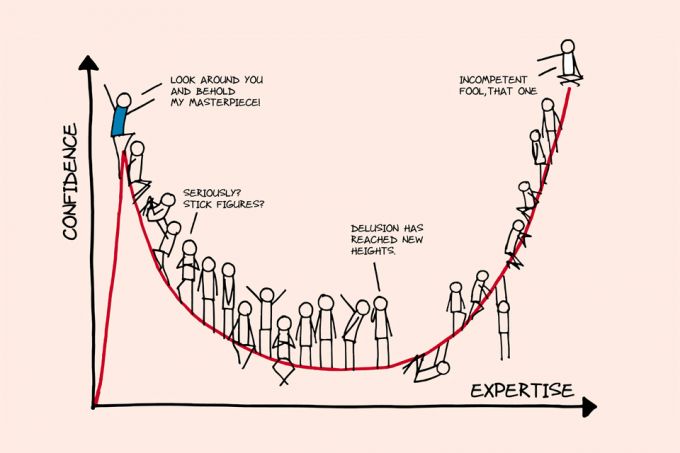
Dunning Kruger Effect

So, what if you make it to the point of a pyramid, achieving levels of support / ego boosting and confidence building through the hiring process?

What do you think of yourself? Full of Oxytocin and Dopamine (see Leaders Eat Last). You feel loved and full of confidence.

Then you learn that you DON’T know enough to be king of your mountain. You need to learn. Hopefully, you’ve joined a tribe that is supportive when you fall or fail.

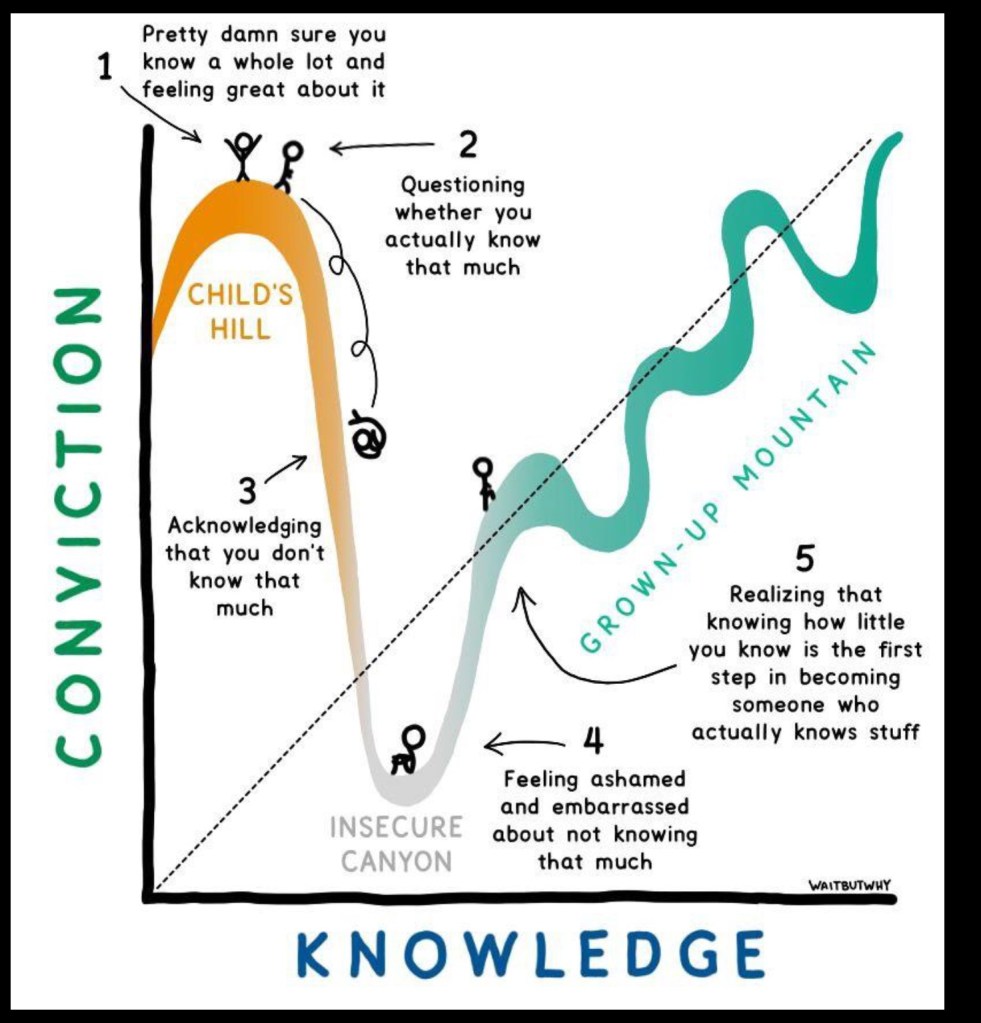
The in-between is the chart I found on Wait But Why (another great reader website, you have to be prepared and strap in for a ride) that shows Conviction vs. Knowledge. Conviction is your assuredness (Dopamine) from the Oxytocin you’ve mined from your team and surroundings. As you can see, he models your state of learning and shows what I see as the inevitable fall (rolling down childs hill.
So, I’m good with my original, sad, hand drawn nonsense: Thesis was organically generated during counseling an impatient high flyer. I may have been projecting or over-explaining, who knows, my folks were generally harder working and smarter than me. The point is that (in the HUGE car company with a squarish blue logo) you are in a career cycle with ups and downs based on accomplishment which will result in boredom. It’s on you search for a new challenges and be ready to ride the curve all over….(job happiness curve).

The only time it is a failed concept is when you have no need to improve or change. There were people on the team like that; that’s another leadership issue. Maybe I’ll find a hook and hang personal Kaizen (continuous improvement) in a new post some day.

Rust never sleeps.

Leadership Strategy and Tactics Field Manual; Willink

So, this one: I’m a Jocko Fan. This is for new leaders or for people who think they are leaders but are lacking…. Something. This is also for people who want to be peer leaders or technical leaders or who are aspiring Supervisory leaders.

THIS book is not (in my opinion) a walk-up. First, you should probably invest in some Jocko Wisdom through the Podcast. It’s called (surprisingly) The Jocko Podcast and is full of interviews of heroes (mostly), review of books (many) and usually a parable or life lesson to carry.

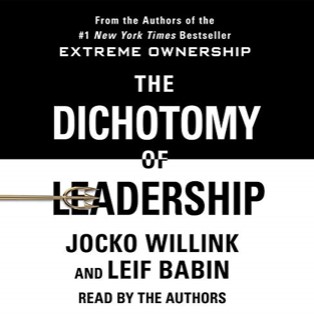
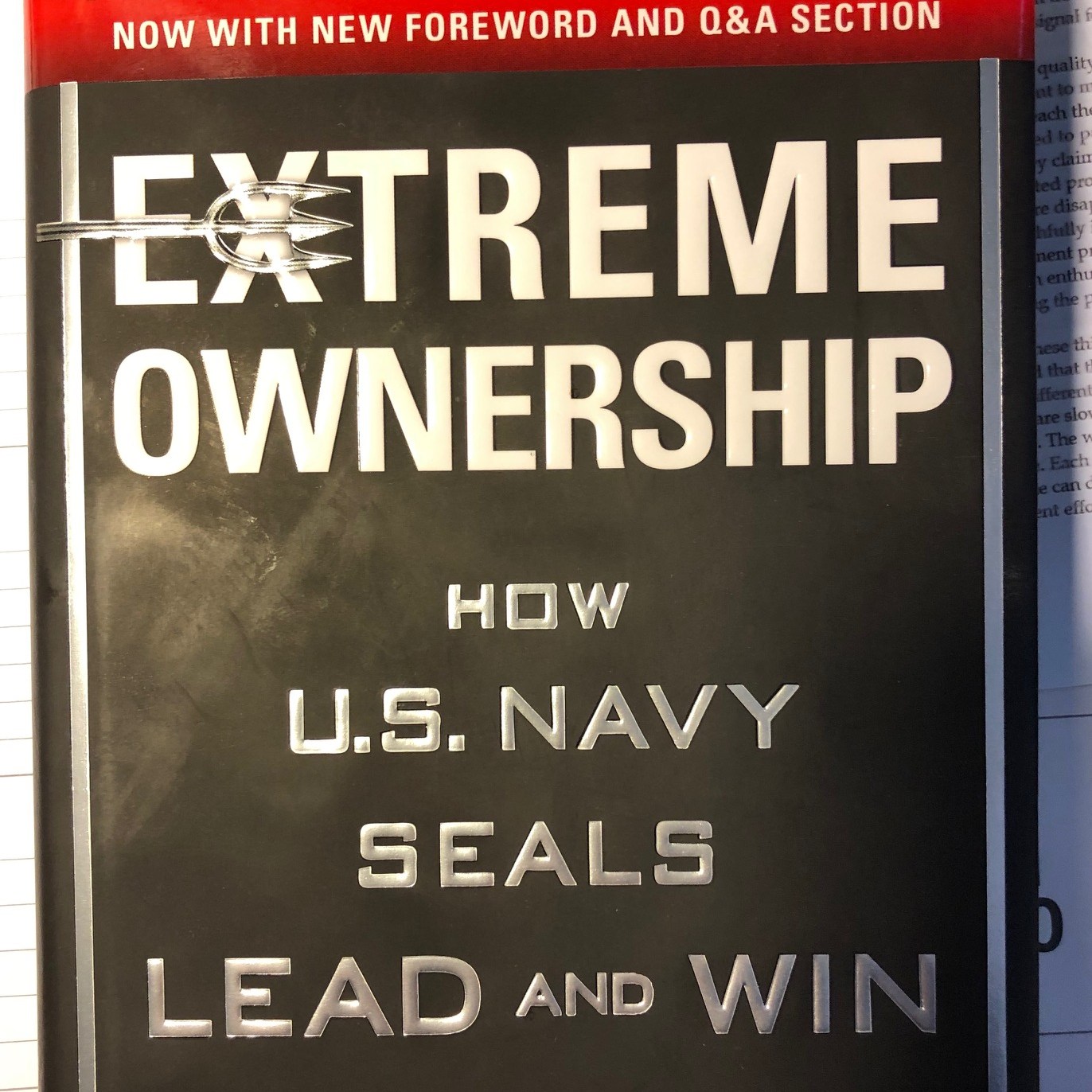
Second: Extreme Ownership (book, or better, Audiobook from Audible) followed by the Dichotomy of Leadership (same)

This book is modeled after the military strategy and tactics field manuals that have been covered a few times in the podcasts. Jocko likes the Marine Corps style manuals. This books is chunked into Part 1: Strategy, Part 2: Tactics. Go Figure.

Now it seems like a fan of Servant Leadership (see Leaders Eat Last) would not look for Navy Seal / Hell Week tactics to employ. Seems easy to just yell louder and be meaner BUT: this book and Jocko’s other teachings are all about service to the team, building Oxytocin, making a team and team members into a family that will support each other and the mission. Some of my key takeaways?

Part 1 STRATEGY:

  • Be capable / ask for help: Ego in Check; Admit what you don’t know*
  • Lead from the Rear: Stay out of the weeds; Detach
  • Pickup Brass: Lead by Example. Do your grunt work. Show them how.
  • Everyone is the same/ Everyone is Different: Situational Leadership

*Parable: I was a the leader who NEVER wanted to ask for help. My first significant leadership experience was serving a lazy boss. She didn’t want to learn or prepare and didn’t know our work, and any engagement that we needed was an imposition. One time, I had to ask for leadership / management intervention. I needed her to ask her peer to help our team. It didn’t happen, I failed the task and my appraisal that year said “Don Should ask for help before failing task X” My bad. I know it’s a snake, why did I pick it up? Lots of Big C (Cortisol) on that job.

Part 2 Tactics:

This is actually pretty awesome if you are / have been or want to be a leader. It’s how to act. How to behave. How to communicate. I could read and reflect on times I was AWESOME and about times where I should have been tarred and feathered (Keep Your Ego in Check!) This section builds on Extreme Ownership and Dichotomy and the multiple lessons therein

  • Becoming a leader: Transitioning, New Sheriff in town, Imposter Syndrome
  • Leadership Skills: Decentralized Command, Don’t be the Easy Button
  • Maneuvers: Leading Peers, Micromanagement (almost never), Boss Management
  • Communications: Inform, Rumors, Clear Guidance, Why, SIMPLE!, Truth, Praise, Apologize

Servant Leadership According to Sinek

Leaders Eat Last:

  • Servant Leadership and Sustainable Teams

So, I read Leaders Eat Last by Simon Sinek. I’ve been on a kick around Servant Leadership and Simon starts off talking about Marine Corps. Kick your butt / scream, my way or highway right?

Not really. It’s about building a Tribe. The tribe is full of people who enjoy their individual victories (Endorphins and Dopamine) but are in a CIRCLE OF SAFETY where they can gain Serotonin (Love of accomplishment / leadership and contribution) and Oxytocin (Family, trust, camaraderie). Great organizations create the CIRCLE OF SAFTEY. Inside the Circle: Your biggest fear is letting the team down. Your biggest hope is making the team better, contributing.

Outside the circle? Danger. Danger creates Cortisol. Cortisol makes you anxious, fearful. Are you happy to go to work or are you anxious, tense and fearful?

Why would there be danger inside what should be a circle of saftey? What if your top leadership is investor and bottom line focused such that headwinds are pushed onto the team? Are there seemingly random pay cuts, layoffs to make a cash target? Is bonus or pay sacrificed to make investors happy or make stock buybacks?

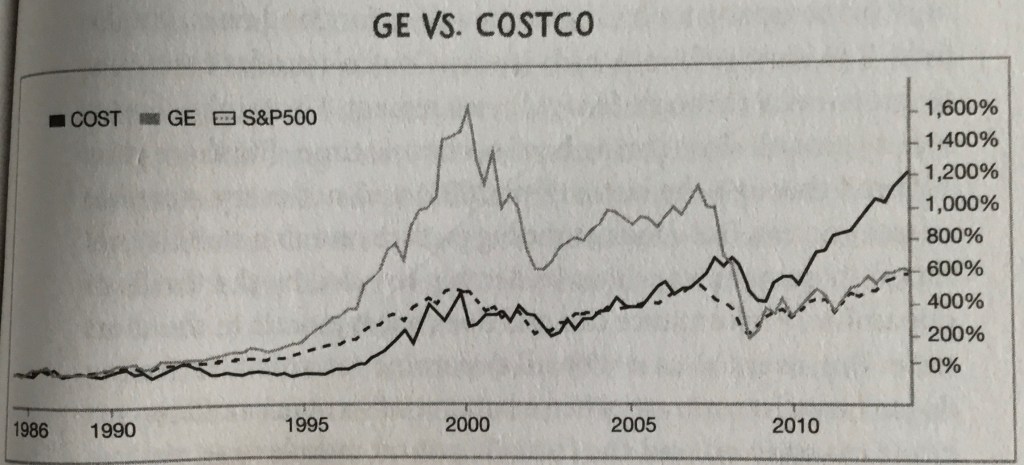
Sinek compares the vaunted GE (Jack Welch), up or out / rank em yank em people policies to those of Costco. GE grew faster (at first) but ended up tracking the S&P which means it had ‘average’ leadership. Costco started slower and outpaced the market without brutality to the circle of safety.

Other reinforcing references: Jim Collins / Good To Great, Built to Last, Tribes by Sebastian Junger, Extreme Ownership by Jocko Willink and Leif Babin.

I’m working on a thesis that the great quality principles and thinkers build on team work, enabling the worker to excel robust systems. The only thing I DON’T understand about Lean and Leadership and Quality is: Why does everyone have 14 points?

So, that’s Leaders Eat Last, about 330 pages with notes. Read it someday.

Survivorship Bias

This is a classic – classic quality tale about inspection. I had parts with green stickers that were good and parts with 2 green stickers that were bad. The supplier said 2 green stickers meant that they’d been tested twice! Better!

What I found out was that the first green sticker was awarded if it sort of passed the final test and to make sure, they sent it through again! It became an easy way to identify intermittent failures.

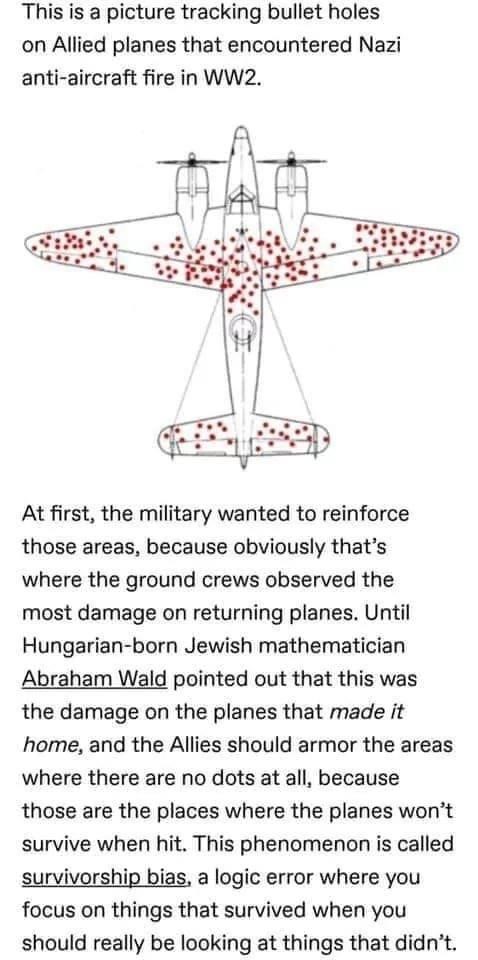
This is a great summarization of the WW2 Bomber parable. Two Lessons:

1. Survivorship Bias and

2. GREAT demonstration of plotting data on a physical representation of your part or assembly line or your vehicle or your human body.